Table Of Content
- Best for itchy, flaky scalps: J.R. Liggett’s Tea Tree & Hemp Oil Shampoo Bar
- How To Avoid Purple Stains When Using Purple Shampoo Expert Tips For Stain Removal
- Do studies support its use for hair loss?
- selectHow to find the best shampoo to help repair damaged hair
- Side effects
- What to mix peppermint oil with for hair growth
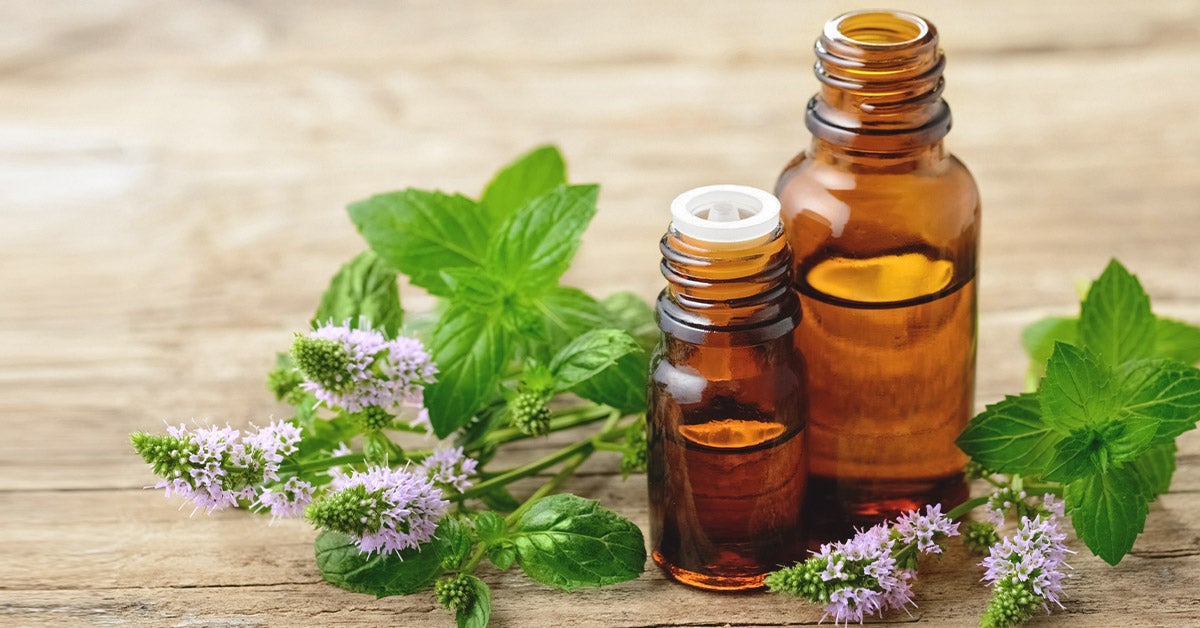
Researchers found that using peppermint oil for hair may lead to increased blood flow, working to stimulate different areas of the body and improve overall health. Essential oils are usually well-tolerated when diluted in a carrier oil. If you’re allergic to menthol or other mint varieties, it’s best to avoid using peppermint oil for hair loss. In addition to being antimicrobial, peppermint also contains anti-inflammatory properties [source]. This is especially beneficial for those who struggle with inflammatory scalp conditions such as dermatitis, psoriasis, and even dandruff. Since scalp health can directly affect hair health, it’s important to give it the TLC it needs, which means making sure that inflammation is addressed and healed.
Best for itchy, flaky scalps: J.R. Liggett’s Tea Tree & Hemp Oil Shampoo Bar
This is an essential step to seal your hair’s cuticles and lock in all the peppermint goodness. For a stronger treatment, this balancing oil works wonders to rebalance the moisture levels in your hair and scalp. It's got a potent mix of peppermint oil, lemongrass oil, cedarwood, and sunflower seed oil to give your strands a reset. Although the mere act of applying peppermint oil can be helpful, massage increases it's superpowers.
How To Avoid Purple Stains When Using Purple Shampoo Expert Tips For Stain Removal
In many cases, thoroughly rinsing the affected eye or eyes with room temperature water for 15 to 20 minutes can relieve symptoms. The story of a shampoo bottle begins long before it arrives in your shower! At Davines, we study the most low-impact packaging solutions for all our products. They may also offer additional benefits like UV protection, sebum regulation, and increased hair elasticity.
Do studies support its use for hair loss?
Make sure the shampoo is really well distributed, and then rinse thoroughly, says Jordan. This can result in leftover residue in your hair that will build up over time and can cause itchiness and irritation on the scalp, according to Jordan. If you’re new to solid shampoo and looking to try it out, we spoke to experts about the benefits of a shampoo bar and how to shop for the best one for your hair. We also compiled a few expert-recommended options to consider, as well as NBC Select staff favorites.
selectHow to find the best shampoo to help repair damaged hair
“The oil should be delicately applied to dry hair and scalp using gentle, circular motions,” she says. You can also use a silicone scalp massager to really get in there if you're averse to digging your fingers into your scalp (and it helps me prevent from scratching with my long, gel-X nails). Then, gently massage into the scalp for 10 to 15 minutes in circular motions before smoothing through the lengths of your hair.
Side effects
Whilst there is not enough data available from human studies, some animal tests have suggested that peppermint oil could be effective at combating hair loss. In relation to hair, this could mean the application of diluted peppermint oil to the scalp could help to ease itching, allowing you to achieve healthier hair. Peppermint oil may also be beneficial if you’re dealing with itchy skin. The proportion of adding your peppermint oil into your shampoo and conditioner can be around 15 drops in a 100 ml (millilitre) bottle of liquid. It has antibacterial properties that can help get rid of skin issues and it also promotes a cooling effect on the skin.
There are no specific number of days you should be oiling your hair, says Dr. Spann, but for most people, once a week is sufficient. “For individuals with severely dry or brittle hair, it may be beneficial to oil two to three times per week,” adds Dr. Spann. The oil itself is rich in antioxidants, minerals, essential fatty acids, biotin, and vitamins A, B-5, and E, which all support hair growth, shine and vitality. Here at Nikura we are passionate about bringing you the highest quality essential oils, fragrance oils and blends to revolutionise your daily routine.
The 3 Best Oils For Massive Hair Growth & Volume Once & For All, According To Hairstylists - SheFinds
The 3 Best Oils For Massive Hair Growth & Volume Once & For All, According To Hairstylists.
Posted: Thu, 22 Feb 2024 08:00:00 GMT [source]
In rare cases it can even cause anaphylactic shock if ingested, causing difficulty swallowing and breathing, tongue and lip swelling. However, they say the small amount that is included in over-the-counter medications, herbal teas, and cosmetics is probably safe. But, a concentration of 3 percent oil, as highlighted in the Toxicological Research study, can be difficult to measure without the proper scales.
Add a few drops of peppermint oil to your shampoo for a more aromatic experience. According to Dr. Garshick, it's safe for all hair types to use peppermint oil, but there are still a few things worth knowing before trying it out. It can be diluted into a carrier oil like coconut or jojoja oil, which will “deliver the oil in a way that makes it easier to tolerate,” says Dr. Garshick, or even a shampoo, says Dr. Yang. Peppermint menthol also imparts a freshened smell and tingly sensation on the skin and scalp. You can reap these benefits by adding the essential oil to your beauty products.
Increasing circulation with a vasodilator like peppermint could potentially improve hair growth and prevent some hair loss. Kalp peppermint essential oil is 100% pure, natural, and undiluted, extracted by steam distillation from the Indian peppermint plant. Combine 3 drops with 10 ml of hair oil or shampoo to alleviate dandruff, lice, and itching. After massaging the scalp for 15 to 20 minutes, combine 2 drops with 1 tablespoon of carrier oil and wash. Try introducing your strands to products with peppermint oil via shampoo and conditioner—after all, they’re the core of your hair care routine.
For professional advice on adding peppermint oil to your routine, book an appointment with a Davines stylist. Peppermint oil should not be used on those with a dry scalp or brittle hair. However, all hair types can use peppermint oil when used correctly and safely. People should avoid applying peppermint oil directly as it can be very irritating and those with allergies to essential oils or sensitive skin/scalp should avoid it or try a patch test prior to using it. It clarifies, cleans, and invigorates the hair without stripping it of its natural oils.
Essential oils are underrated ingredients that can make all the difference in your hair’s health. One of the buzziest of the moment happens to be peppermint oil, which is an essential oil that's extracted from peppermint or the peppermint leaf. However, other studies (one in 2011 and one in 2013) showed that menthol from peppermint essential oil promotes vasoconstriction rather than vasodilation.
Add a few drops to a hair protein treatment before bed and let the peppermint oil work its magic while you sleep. "When our scalps are healthier and happier, hair health is supported, as well, so [there can be] improvements in hair texture and growth." Peppermint is good for more than just adding something extra to your chocolate chip ice cream. The essential oil, made from the leaves of the peppermint plant, has been used topically to aid with a range of medical issues.



No comments:
Post a Comment